How much does it cost to replace storefront glass?
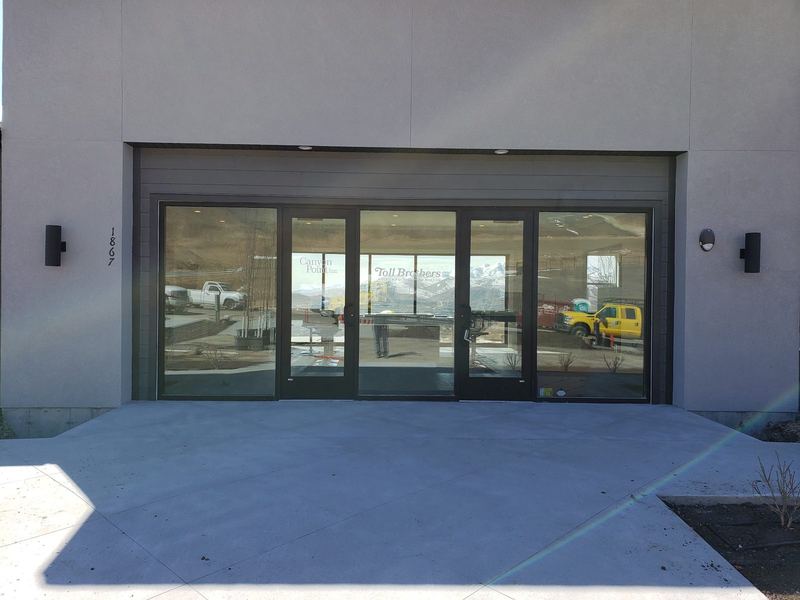
Storefront glass is priced by the piece, so the opening decides the number. Size, thickness and whether the pane has to be tempered or insulated move it from there, which is why we measure on site before quoting.
What kind of glass is used for storefront windows?
Commercial storefronts use tempered safety glass, and often insulated units of two tempered panes for energy code. Tempered is required by code in most storefront locations because it breaks into blunt pieces instead of shards. Annealed glass is not a legal substitute in an entrance or a full-height pane, whatever it costs to replace.
Can you replace just the glass in a front door?
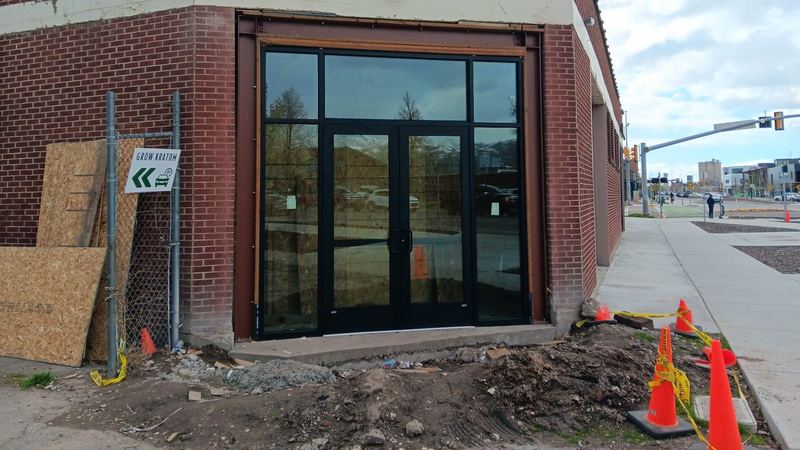
Usually yes. Commercial entrance doors are built so the glass sits in a removable stop, so a broken pane comes out and a new tempered unit goes in without replacing the door or the closer. The door itself only needs replacing when the frame is bent or the rails have pulled apart.
How much does it cost to replace the glass in a front door?
Entrance door glass is quoted per opening because door panes are almost never a stock size and are nearly always tempered, which has to be cut and tempered to order rather than cut from stock. We measure the daylight opening, confirm the thickness, then price it. Boarding in the meantime is separate.
How long does it take to get replacement storefront glass?
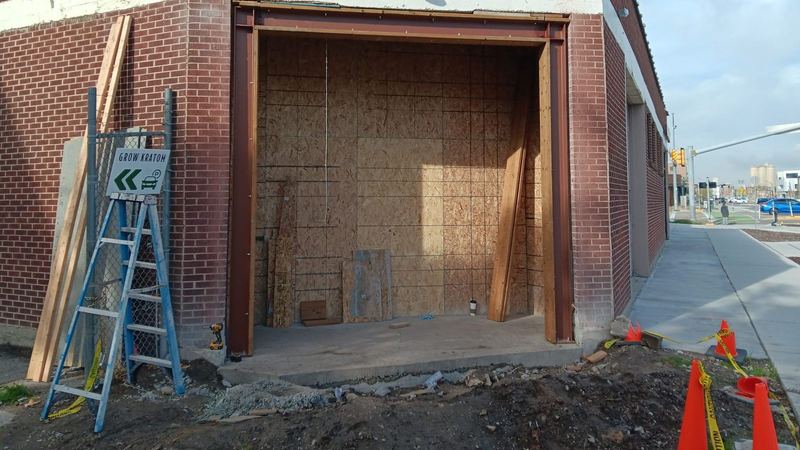
Tempered and insulated units are made to order, which typically takes a few days, because tempering cannot be done after the glass is cut. We board the opening the same day you call so the building is secure and trading, then come back to set the glass. Anything we can cut from stock is faster.
Can storefront glass be replaced outside business hours?
Yes, and for a shopfront that is usually the point. We schedule the glass set around trading so the entrance is not blocked while you are open. Tell us your hours when we measure and we will book it around them.
Who pays for storefront glass, the tenant or the landlord?
It depends on the lease, and it is worth checking before the work rather than after. Most commercial leases put the glazing on the tenant while the structure stays with the landlord, but plenty are written the other way. We can put the estimate in whichever name you need for the claim or the reimbursement.